Bajaj is one of India’s most trusted motorcycle brands, known for bikes like Pulsar, Dominar, and KTM collaborations. With the rise of electric vehicles, Bajaj is now entering the electric motorcycle segment with the Bajaj Pulsar EV. This bike is expected to combine the sporty Pulsar DNA with electric power. Targeted at young riders and tech enthusiasts, the Pulsar EV promises performance, style, and eco-friendliness. Let’s dive into all the details about design, motor, battery, features, price, and competition.
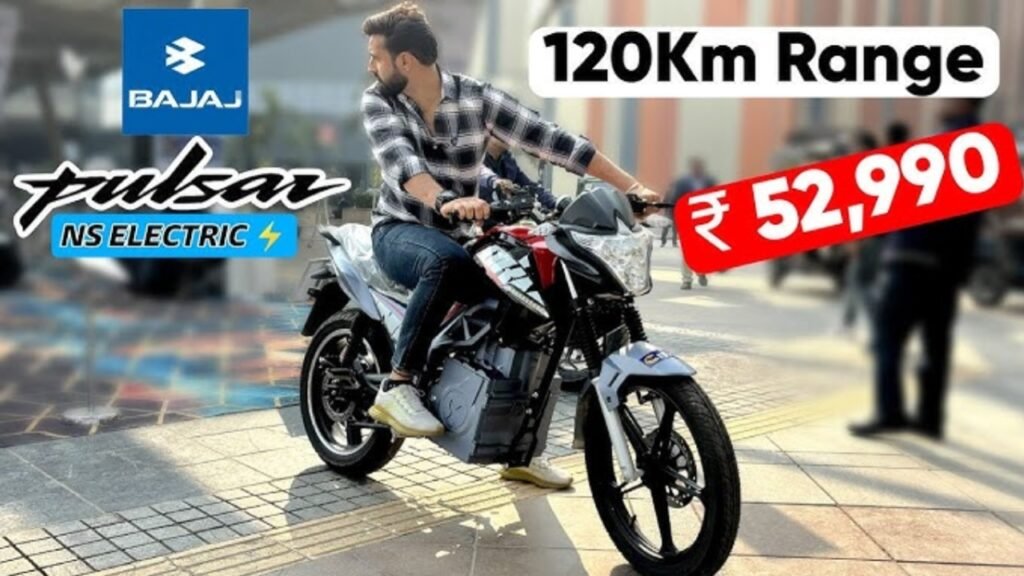
Bajaj Pulsar EV Design and Styling
The Bajaj Pulsar EV is expected to retain the familiar sporty Pulsar styling. It will have aggressive LED headlamps, muscular fuel-tank design, and aerodynamic body panels. The bike will have a sharp tail section and sporty alloy wheels, giving it the iconic Pulsar look. Bajaj may offer a single-seat setup or a split seat design for sporty appeal. Overall, the design will attract young riders who love the Pulsar brand but want an electric and eco-friendly alternative.
Battery and Range
Battery and range are crucial for EVs, and Bajaj is expected to equip the Pulsar EV with a 5–6 kWh lithium-ion battery pack. This should provide a riding range of around 150–180 km per charge, depending on riding mode and load. Bajaj will likely offer fast charging support, allowing 50% charge in less than 30 minutes. Home charging will also be convenient with a standard plug. The battery may be removable or integrated, making charging easy for daily commuters.
Motor and Performance
The Pulsar EV will be powered by a hub-mounted electric motor producing around 7–8 kW of continuous power, with peak output up to 10 kW. Top speed is expected to be around 100–110 km/h, which is enough for city riding and short highway trips. Instant electric torque will ensure smooth and quick acceleration. Bajaj may provide multiple riding modes like Eco, Street, and Sport to balance speed, performance, and battery efficiency for different riding conditions.
Riding Comfort
The Pulsar EV will feature upright seating with wide handlebars for city and urban commuting comfort. Footpegs will be mid-set, offering a relaxed posture for long rides. The suspension will likely include telescopic forks in front and a monoshock at the rear. The seat will be designed for both rider and pillion comfort. Bajaj will focus on stability, handling, and comfort, making it practical for both beginners and experienced riders who want a sporty electric motorcycle.
Features and Technology
Bajaj Pulsar EV will come with modern features expected from an electric motorcycle. A full digital instrument cluster will display speed, battery percentage, range, and ride stats. Bluetooth connectivity and smartphone app integration may allow navigation, trip logging, and anti-theft alerts. Bajaj may also provide OTA software updates, ride modes, reverse assist, and other smart features. The bike aims to combine the Pulsar sporty DNA with futuristic electric technology for the ultimate urban EV experience.
Bajaj Pulsar EV Braking and Safety
Safety will be a priority for the Pulsar EV. It is expected to feature disc brakes on both wheels with dual-channel ABS. Regenerative braking will assist in battery efficiency while slowing the bike. Other safety features may include traction control, side-stand cut-off, and hill-hold assist for better handling in traffic or inclined roads. With these features, Bajaj aims to ensure riders get the classic Pulsar sporty feel while staying safe in all conditions.
Bajaj Pulsar EV Price Expectations
The Bajaj Pulsar EV is expected to be priced around ₹1.8 lakh to ₹2.2 lakh (ex-showroom). This pricing will position it competitively against Ola Electric motorcycles, Hero Vida, and Revolt RV400. Bajaj will target young buyers who want a Pulsar experience without the petrol engine. With this price, it may also attract riders upgrading from scooters or smaller motorcycles looking for an eco-friendly alternative.
Market Competition
The Pulsar EV will compete with Ola Electric motorcycles, Hero Vida, Revolt RV400, and Tork Kratos. Bajaj’s biggest advantage is its established brand image and service network across India. While Ola focuses on futuristic tech and Revolt on affordability, Bajaj brings sporty DNA and trustworthiness to the EV segment. If Bajaj balances performance, pricing, and battery range, the Pulsar EV could dominate the urban electric motorcycle segment in India.
Charging Network
Bajaj does not have its own hypercharger network, but the Pulsar EV may come with portable charging options for home or office use. Fast chargers on highways will support longer trips, and Bajaj may collaborate with third-party EV charging networks in India. With proper battery management and charging facilities, riders can comfortably switch from petrol to electric without worrying about daily commuting or weekend rides.
Who Should Buy Bajaj Pulsar EV?
This bike is perfect for young urban riders and college students who want the Pulsar sporty style but in an electric package. If you want zero-emission rides, instant acceleration, and a low-maintenance vehicle for city use, the Pulsar EV is a great option. It is also ideal for tech-savvy riders who want a connected and smart bike without sacrificing performance or style. Riders switching from scooters or entry-level motorcycles will find it attractive.
Final Thoughts
The Bajaj Pulsar EV is set to become a strong contender in India’s electric motorcycle market. With sporty Pulsar DNA, modern tech features, good range, and competitive pricing, it can appeal to a wide range of buyers. Bajaj’s trust and service network add to its credibility. If everything goes as expected, the Pulsar EV could become the first choice for young riders who want performance, style, and sustainability in one electric package. It marks a new era for Bajaj in the EV world.
